Frisco’s Next Chapter

Framing Frisco’s Next Chapter: Lessons From the Past, A Vision for the Future

Some moments deserve to be framed.

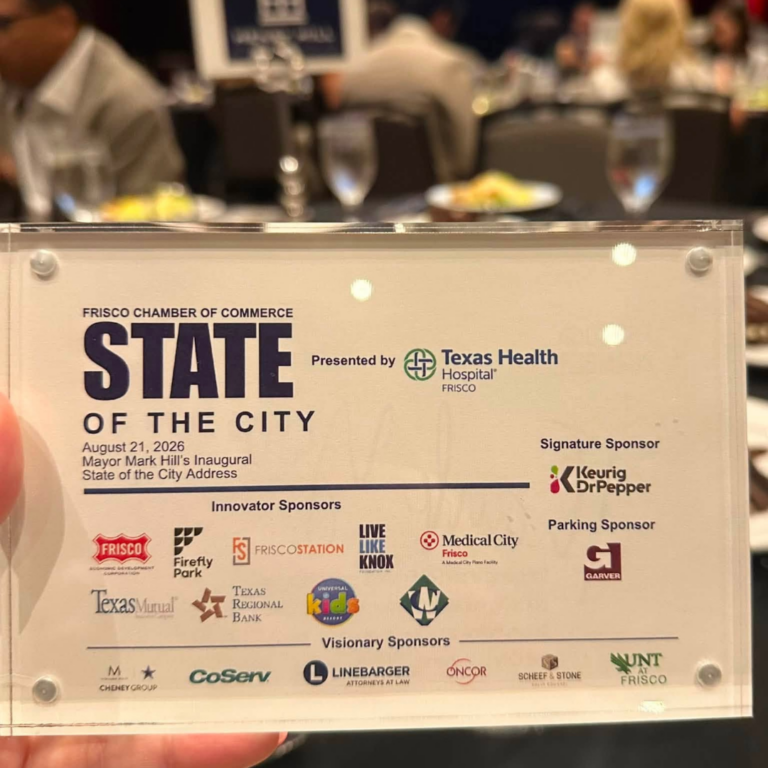
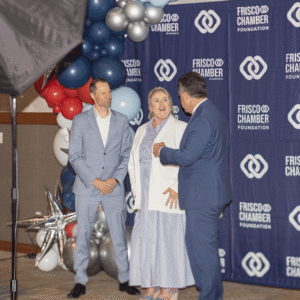
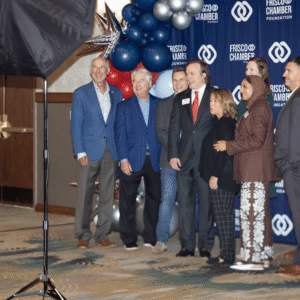
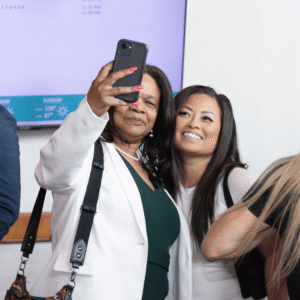
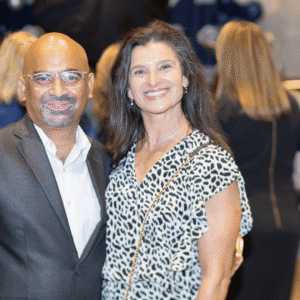
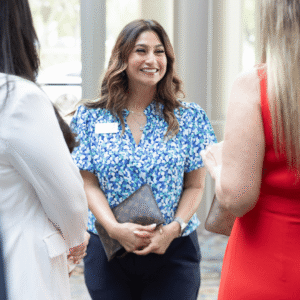
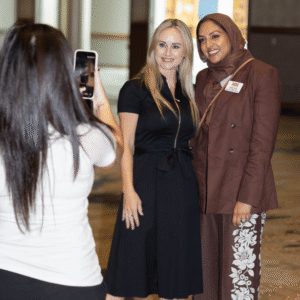
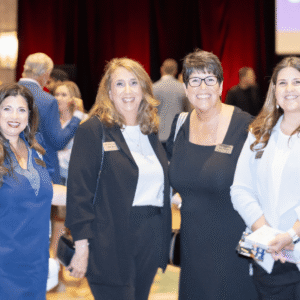
At the 2026 State of the City on August 21, we meant that literally. Each of the more than 600 business and community leaders in attendance received a commemorative picture frame, along with the opportunity to step into a photo booth and capture the occasion.

But the frame represented something bigger.

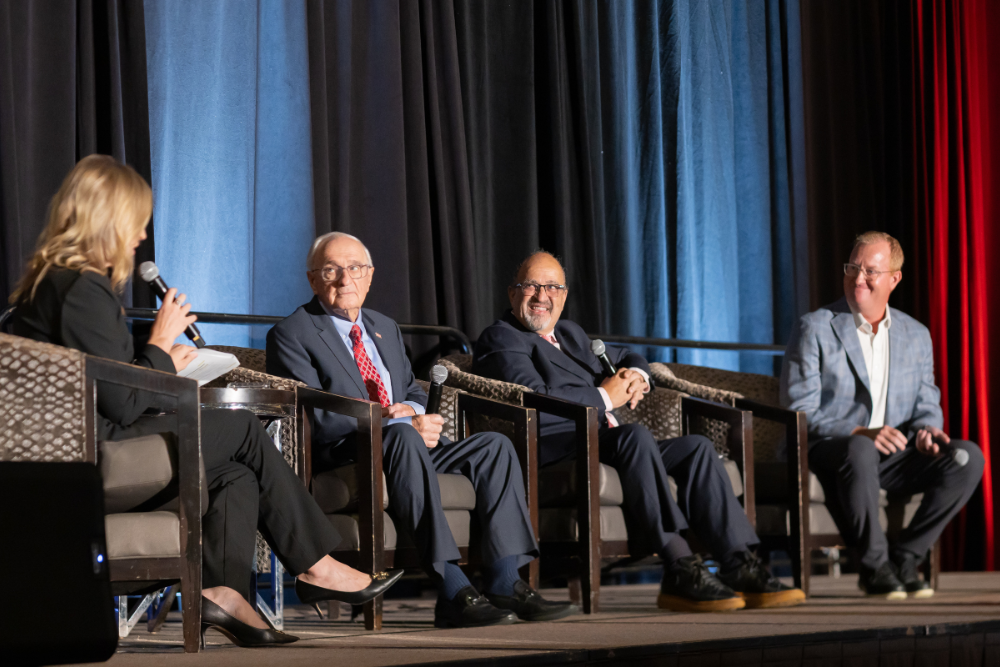
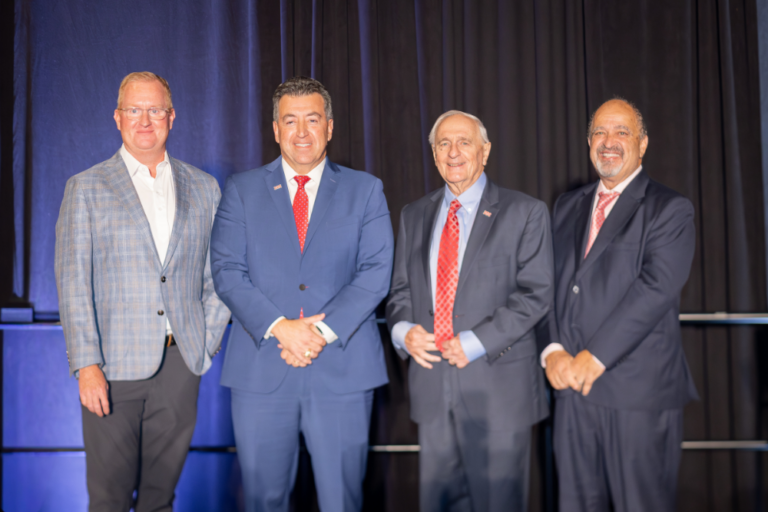
This year’s State of the City marked a significant moment in Frisco’s story. Three former mayors, Mike Simpson, Maher Maso, and Jeff Cheney, joined us to reflect on the leadership that helped shape Frisco. Then, newly elected Mayor Mark Hill took the stage for his first State of the City address and shared his perspective on where we go from here.

Different chapters. Different challenges. One community.

And one consistent message: Frisco’s success has always been built by people working together.

Passing the Baton

Before Mayor Hill looked ahead, we looked back.

Our three former mayors were asked to think about their first days in office and the lessons they learned along the way.

For former Mayor Mike Simpson, one lesson stood above the rest: communication.

As Frisco grew from a town into a city, residents and businesses needed to understand what was happening around them, from roads and new facilities to development and infrastructure. His advice was simple: “Communicate, communicate, communicate.”

Former Mayor Maher Maso reflected on the sheer volume that comes with leading a dynamic city and the realization that leadership is ultimately less about accomplishments and more about people and relationships.

Former Mayor Jeff Cheney spoke about something leaders in every organization can appreciate: the tone is set at the top. Optimism, trust, and the way leaders respond to challenges can influence an entire organization or, in this case, a city.

Then came their advice for the new mayor.

Simpson pointed to the teamwork among the City of Frisco, Frisco ISD, Frisco Economic Development Corporation, Frisco Community Development Corporation, the Frisco Chamber, Visit Frisco, higher education partners, and others that helped move Frisco forward.

Maso encouraged Mayor Hill to continue engaging the people who want to contribute to their community.

Cheney offered a reminder worth remembering in any leadership role: “The days are long, but the years are short.” Celebrate the milestones, he said, while continuing to think aspirationally about what comes next.

Together, their comments offered a powerful lesson in Frisco’s history. Progress has never belonged to one person, one organization, or one administration. It has been built through relationships, shared vision, and collaboration.
Mike Simpson, Mayor of Frisco, 2002-2008
Maher Maso, Mayor of Frisco, 2008-2017
Jeff Cheney, Mayor of Frisco, 2017-2026

Looking Back to See What Comes Next

Mark Hill was sworn in on July 7, 2026.
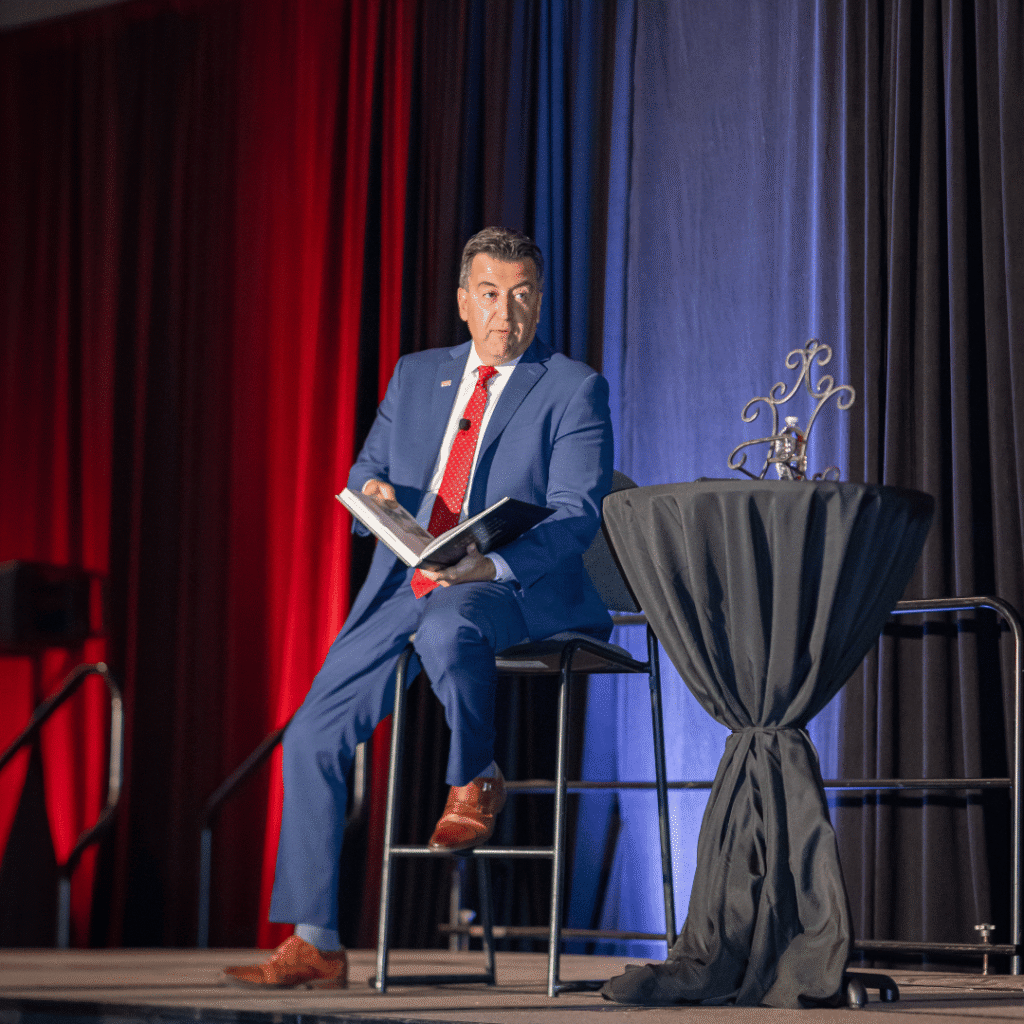
Mayor Mark Hill reads from Frisco: The First 100 Years.
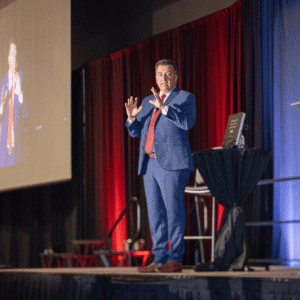
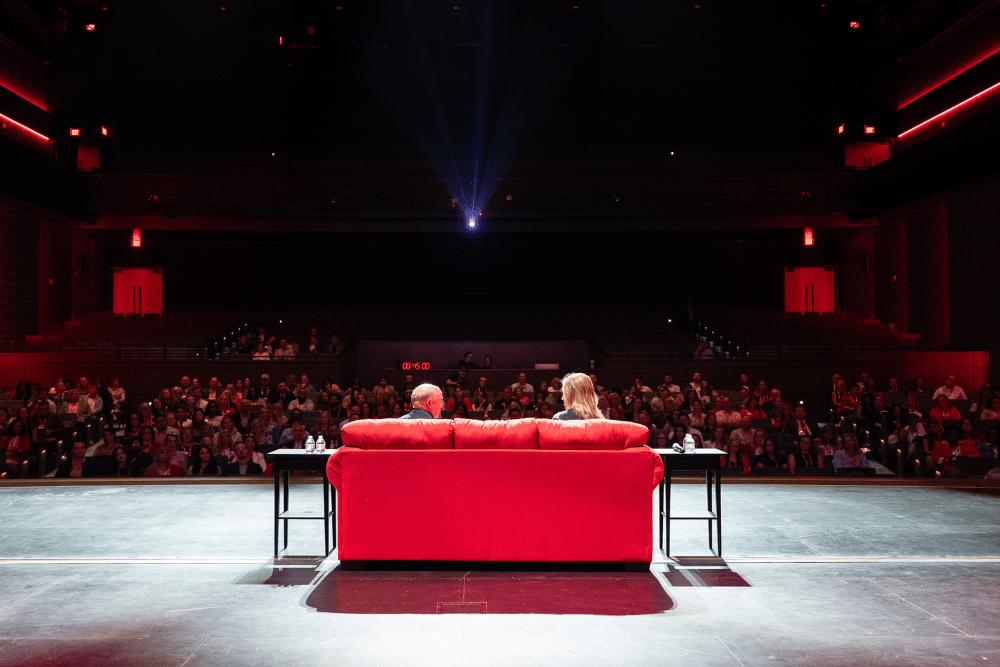
Mayor Mark Hill gives his inaugural State of the City Address.
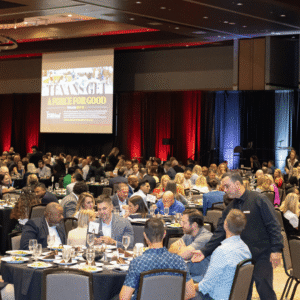
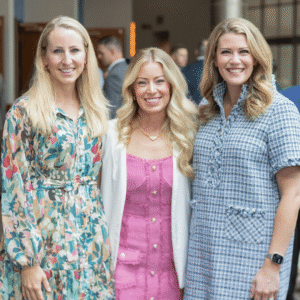
Over 600 business and commuity leaders came to hear the Mayor's vision.
Mayor Hill continued that theme in a fitting way.

Rather than beginning his inaugural address with a list of current projects, he opened Frisco: The First 100 Years, published by the Frisco Heritage Association nearly 25 years ago.

His point was clear. Sometimes the best way to understand where a community is going is to remember what brought it here.

Throughout the address, Mayor Hill connected stories from Frisco’s earlier days with opportunities facing the city today.

He also shared something about the leadership style Frisco can expect from him.

“I am a believer that pressure is a privilege,” Hill told the audience.

That pressure comes with opportunity. Frisco is competing for businesses, talent, families, investment, and ideas on a much larger stage than it did even a generation ago.

Mayor Hill made it clear that he likes to compete.

Bringing New Energy to the Rail District

Bringing New Energy to the Rail District

One of Mayor Hill’s first priorities centered on a place deeply connected to Frisco’s beginnings: downtown.

Reading descriptions of a Main Street once filled with merchants, families, farmers, ranchers, and neighbors, he reminded the audience that downtown was historically about more than commerce. It was a gathering place and a central part of community life.

Today, following significant public investment and construction, the Rail District is entering another chapter.

Mayor Hill challenged the business community to help activate it.

The city can create infrastructure and serve as a catalyst, but the next chapter will also depend on entrepreneurs, businesses, investors, residents, and visitors choosing to spend time and invest there.

That is where economic development and community connection meet.

A thriving downtown creates opportunities for small businesses, strengthens Frisco’s identity, gives residents and visitors another reason to gather, and adds to the experiences that make a city distinctive.

Creating Experiences That Connect Us

That idea of connection carried into another priority: creating memorable community experiences.

Frisco has changed significantly in a relatively short period of time. As the city approaches a quarter-million residents, maintaining a sense of connection requires intentional effort.

Mayor Hill pointed back to words from former Mayor Simpson preserved in the city’s history book about maintaining Frisco’s small-town feel even as the community grows.

The answer, Hill suggested, is not trying to make Frisco small again. It is creating opportunities for people to know one another, engage with their community, and build shared experiences.

That includes collaboration among the city, Frisco ISD, the business community, nonprofits, the Chamber, and other partners.

For businesses, those connections matter, too. People want to live and work in communities where they feel connected. Employers benefit when talented people see Frisco as more than the location of their office, but as a place where they can build relationships, raise families, participate, and belong.

Quality of life and economic competitiveness are deeply connected.

Economic Development Is Everyone’s Business

Mayor Hill also spent significant time looking at the decisions that transformed Frisco’s economy.

From the creation of the Frisco Economic Development Corporation to Stonebriar Centre and the private investments that followed, previous generations made decisions that helped Frisco compete with larger, more established communities.

Today, the competitive landscape has changed again.

Businesses and families have options, and other communities are working hard to attract them.

Economic development, Mayor Hill emphasized, will remain critical to maintaining the quality of services and quality of life Frisco residents expect.

That makes the business community an important part of what happens next.

The next chapter will require continued investment, smart development, entrepreneurship, strong employers, thriving small businesses, and collaboration between the public and private sectors.

Frisco’s success created opportunity. Sustaining that success will require continued intentionality.

Turning Change Into Something That Unites Us

Near the end of his address, Mayor Hill shifted from projects and priorities to what he described as perhaps the most important responsibility facing Frisco’s business community.

Frisco has experienced unprecedented change.

Population, traffic, demographics, affordability, development, and the competitive environment have all evolved dramatically.

At the same time, Frisco has built a reputation for excellence in areas that continue to attract businesses and families.

So, Mayor Hill posed a choice.

Do change and success become forces that divide a community, or can they help unite it?

His answer was direct.

“Help us unite this community. Help us unite the business community.”

He asked business leaders to advocate for Frisco, support the community, and help ensure Frisco remains the best option in an increasingly competitive environment.

It was a fitting challenge for a room filled with more than 600 people who lead companies, schools, nonprofits, public institutions, and organizations across our community.

Because the future of Frisco will not be shaped from City Hall alone.

It will be shaped around board tables and conference tables. In classrooms and small businesses. Through investments and new ideas. Through conversations among neighbors. And through partnerships among people who may bring different perspectives but share an interest in Frisco’s continued success.

We’re Still Writing the Frisco Story

The program ended with an unexpected and fitting moment.

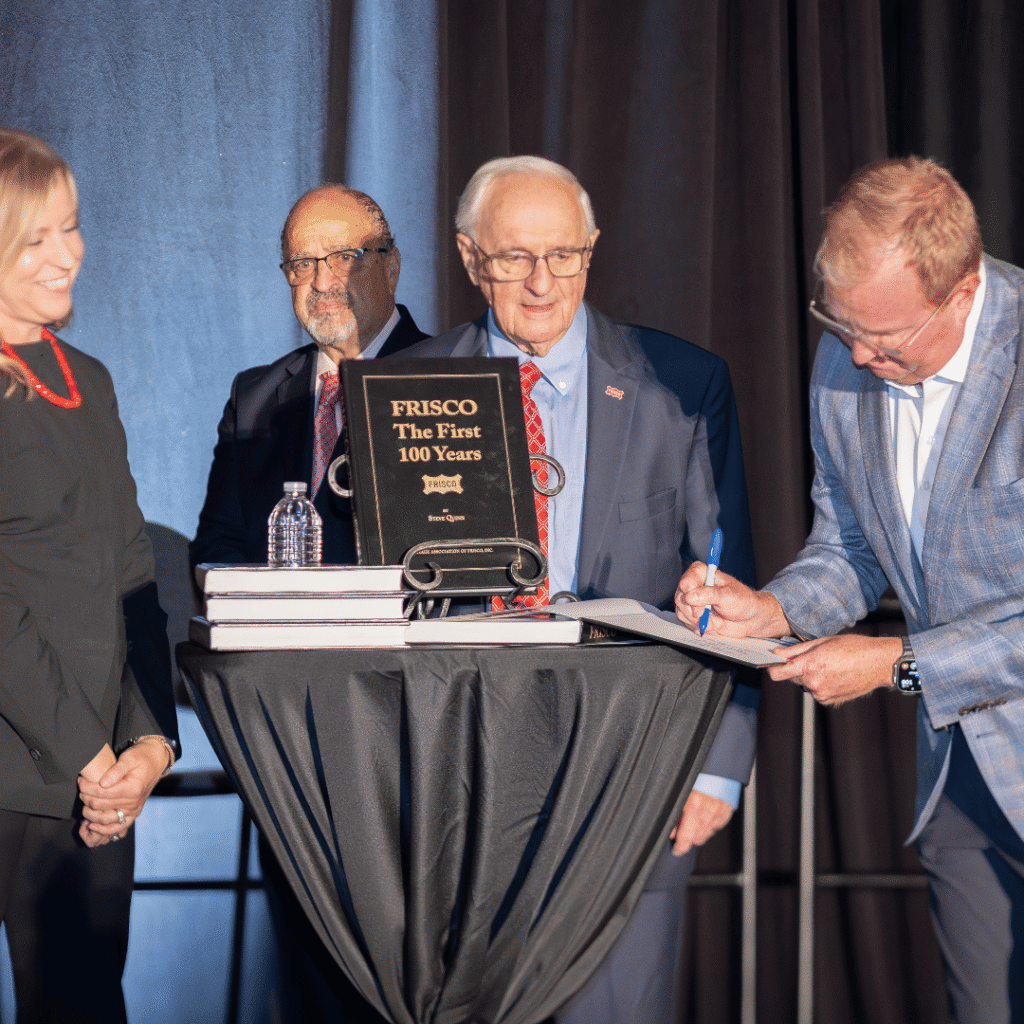
With Mayor Hill and the three former mayors together on stage, copies of Frisco: The First 100 Years sat in front of them. The Frisco Heritage Association is currently working with the city to document the next 25 years of Frisco’s history.

Mayor Hill suggested that all four mayors sign copies of the book to donate to the Heritage Association and help support that effort.

Past leaders, the current mayor, a book documenting Frisco’s first century, and another already being written.

It was difficult to imagine a better ending.

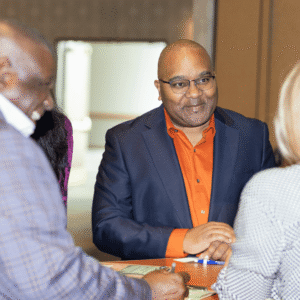
Every person who left State of the City also carried home a picture frame commemorating the occasion. We hope those frames eventually hold photos of colleagues, clients, friends, and community partners who shared the day.
Because years from now, we may look at those pictures a little differently.

We will know what happened next.

We will know which ideas became reality, which challenges we overcame, which businesses grew here, and which leaders stepped forward.

Frisco’s next chapter is not something happening around us.

We are writing it together.

Visit the Frisco Chamber’s Facebook Page for more photos from the event.

Thank You to Our Sponsors

Share This Post

Get our communications

Subscribe To Our Newsletter

More to explore